


Can You Fly With Pepper Spray? TSA Rules for Checked Bags, Carry-Ons, and Safe Packing
Travel Safety Guide
Can You Fly With Pepper Spray? TSA Rules for Checked Bags, Carry-Ons, and Safe Packing
Flying with pepper spray is allowed only under specific conditions. Learn TSA and FAA rules for packing pepper spray in checked luggage, why it is prohibited in carry-on bags, how to pack it safely, and what travelers should check before flying domestically or internationally.
Quick Answer
Pepper spray is not allowed in carry-on bags. Under TSA and FAA rules, one qualifying pepper spray or mace container may be packed in checked baggage only if it is 4 fl. oz. / 118 mL or smaller, has a safety mechanism to prevent accidental discharge, and does not contain more than 2% by mass of tear gas such as CS or CN. Airlines and destination laws may be stricter.
Can You Bring Pepper Spray on a Plane?
Pepper spray is one of the most common personal safety tools in the United States, especially for commuters, students, runners, rideshare users, and travelers. But flying with pepper spray is not as simple as tossing it into your bag before a trip.
Because pepper spray is a self-defense aerosol, it is treated differently than ordinary toiletries. It is never allowed in your carry-on bag, and even when it is allowed in checked luggage, it must meet specific size, safety, chemical, airline, and destination requirements.
| Where You Pack It | Allowed? | Important Notes |
|---|---|---|
| Carry-on bag | No | Pepper spray is prohibited at TSA security checkpoints. |
| Personal item | No | Do not keep pepper spray in a purse, backpack, or keychain going through security. |
| Checked baggage | Sometimes | One container, 4 fl. oz. / 118 mL or smaller, with a safety mechanism, if your airline and destination allow it. |
The simplest rule is this: pepper spray may only travel in checked baggage, and only if it meets TSA, FAA, airline, and destination requirements.
TSA Rules for Flying With Pepper Spray
According to TSA’s What Can I Bring? guidance for pepper spray, pepper spray is not allowed in carry-on bags. TSA permits one 4 fl. oz. / 118 mL container in checked baggage if it has a safety mechanism to prevent accidental discharge.
TSA also states that self-defense sprays containing more than 2% by mass of tear gas, such as CS or CN, are prohibited in checked baggage.
The Five Core TSA Rules
- Do not pack pepper spray in your carry-on. If TSA finds pepper spray at the checkpoint, it will likely be confiscated and may cause delays.
- Only pack it in checked luggage. Pepper spray must go in the bag you check with the airline.
- Only one container is allowed. Do not pack multiple pepper spray units.
- The container must be 4 fl. oz. / 118 mL or smaller. Larger canisters and many animal deterrent sprays do not qualify.
- The unit must have a safety mechanism. The actuator should be protected from accidental discharge.
FAA Rules: Why Pepper Spray Is Treated as a Hazardous Material
The FAA regulates hazardous materials in passenger baggage. Aerosols and self-defense sprays are controlled because accidental discharge inside baggage, cargo areas, airport facilities, or aircraft cabins can create a respiratory and safety hazard.
Federal hazardous materials regulations allow one self-defense spray in checked baggage only if it does not exceed 118 mL / 4 fluid ounces and includes a positive means to prevent accidental discharge. You can review the relevant federal regulation in 49 CFR § 175.10.
The FAA’s PackSafe guidance on sprays and repellents also warns that most bear sprays exceed the 4 oz limit, which is why travelers should not assume that all defensive sprays are treated the same way.
Does the 3.4 oz Liquids Rule Apply to Pepper Spray?
No, not in the usual way. The familiar TSA liquids rule applies to ordinary carry-on liquids, gels, and aerosols in containers of 3.4 oz / 100 mL or less. Pepper spray is different because it is a self-defense spray.
Pepper spray is not allowed in carry-on baggage at all, even if the container is under 3.4 oz. Do not place pepper spray in your quart-size liquids bag, toiletries kit, backpack, purse, or keychain before entering airport security.
How to Pack Pepper Spray in Checked Luggage
TSA and FAA rules tell you what is allowed. Smart packing practices help reduce the risk of accidental discharge, leakage, confusion, or confiscation.
1. Confirm the Unit Is 4 fl. oz. / 118 mL or Smaller
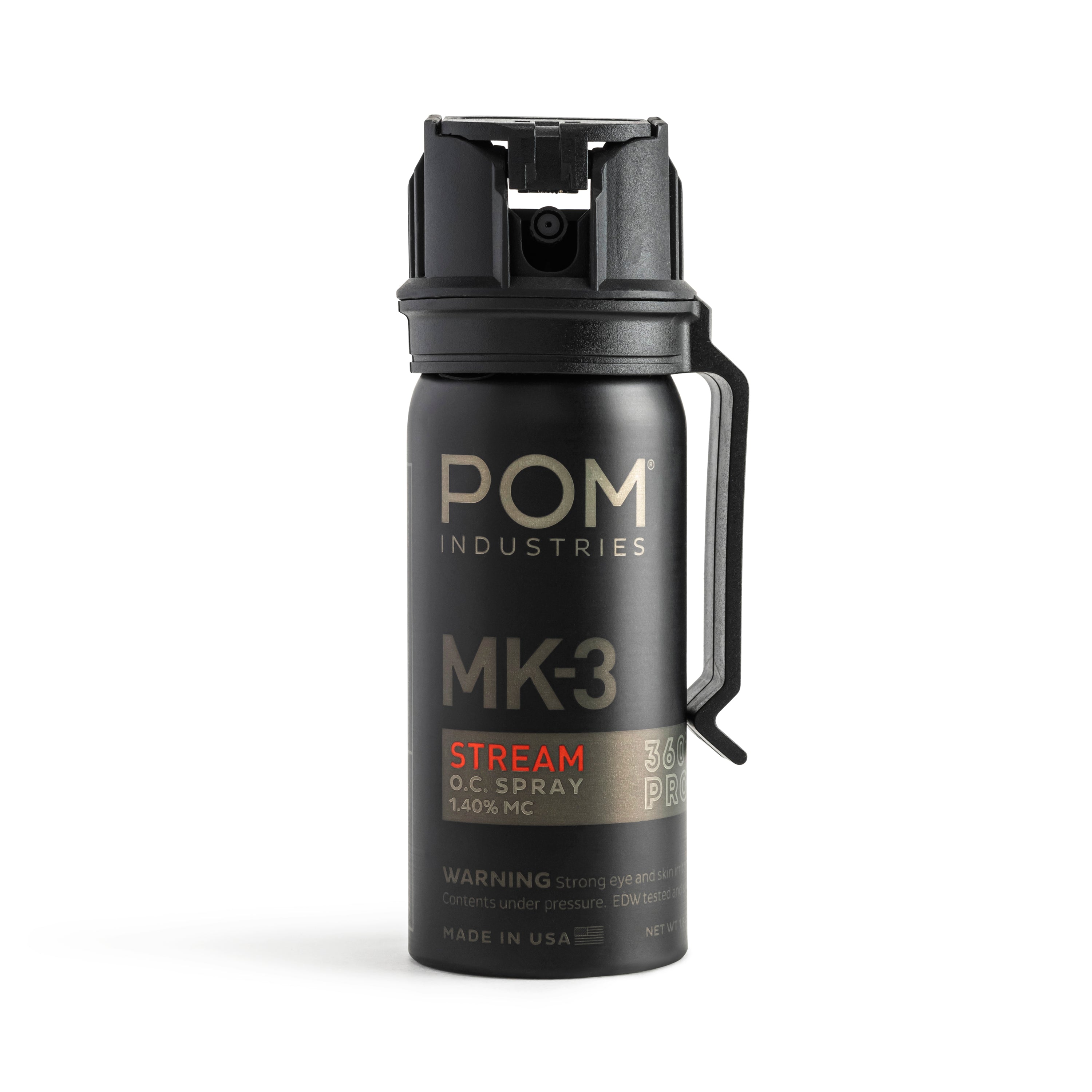
Check the label before you pack. Most compact personal pepper sprays are below this limit, but you should verify the actual container size. Do not guess based on appearance.
2. Confirm It Has a Working Safety Mechanism
Make sure the safety is intact and working. The actuator should not be freely exposed or easy to press by accident. A unit with a broken cap, missing safety, cracked housing, damaged actuator, or loose top should not be packed.
3. Keep the Manufacturer Label Visible
Do not remove the label. The label helps identify the item as a commercially manufactured self-defense spray and may show size, ingredients, and safety information.
4. Place It in a Sealed Plastic Bag
A sealed plastic bag is not a substitute for the required safety mechanism, but it is a smart secondary containment step. Place the pepper spray in a resealable plastic bag before putting it into your checked luggage.
This helps contain residue or leakage if the unit is damaged in transit. It also separates the spray from clothing, electronics, and toiletries.
5. Use a Small Pouch or Protected Compartment
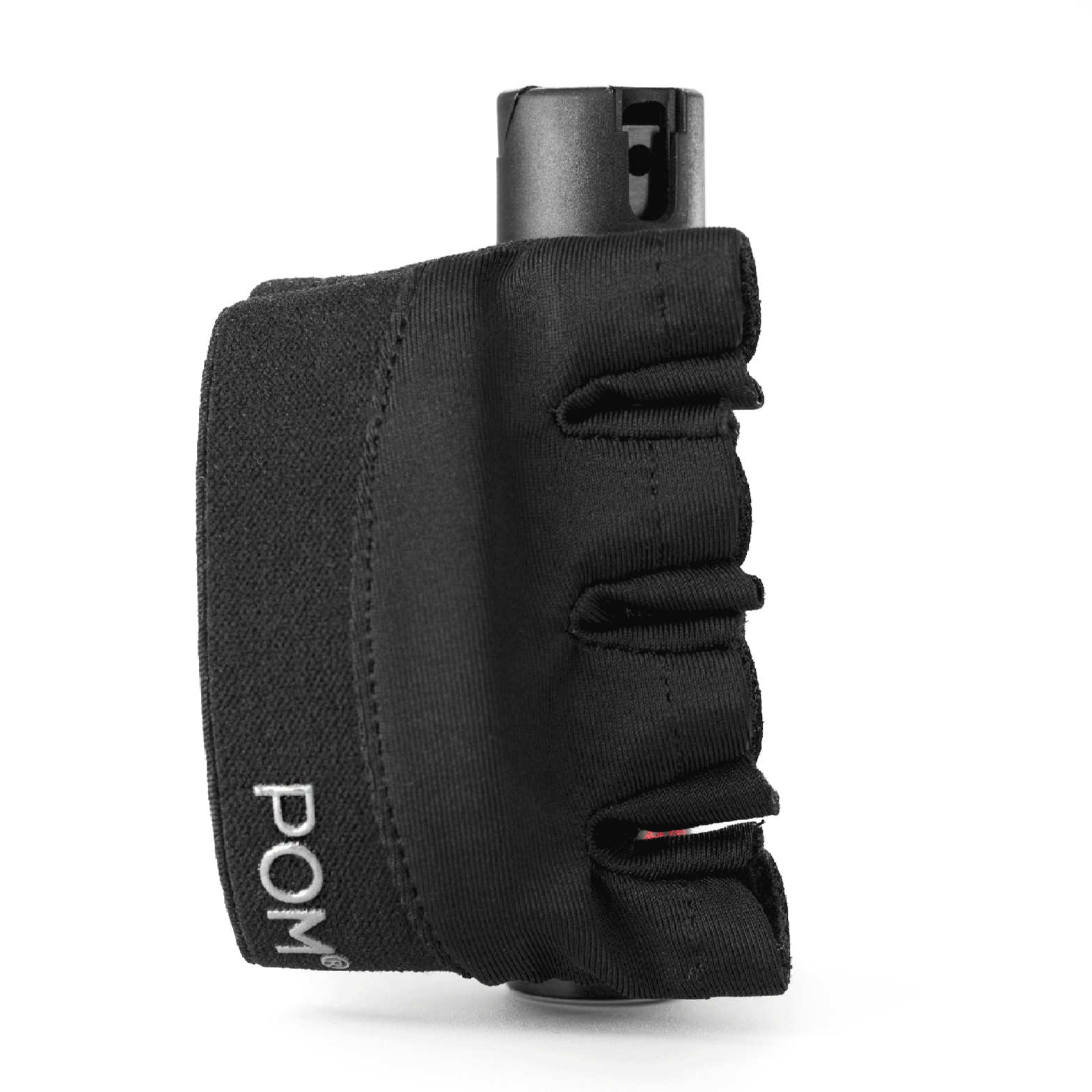
After placing the unit in a plastic bag, put it inside a small toiletry pouch, hard-sided case, or protected compartment in your checked bag. The goal is to prevent the unit from being crushed, pressed, or jostled by shoes, tools, or heavy items.
6. Keep It Away From Heat-Sensitive or Valuable Items
Avoid packing pepper spray directly next to electronics, important documents, medications, or delicate clothing. If there is a leak, those items could be damaged or contaminated.
7. Do Not Tape Over the Nozzle in a Way That Damages the Unit
Some travelers try to tape the actuator. Be careful. Tape can leave residue, interfere with the safety mechanism, or make the unit look tampered with. A sealed bag plus a protected pouch is usually a cleaner approach.
8. Do Not Pack It Loose in an Exterior Pocket
Checked bags get handled aggressively. Do not leave pepper spray loose in an outer pocket where it can be crushed or where the actuator may be pressed.
Airline Rules Can Be Stricter Than TSA Rules
This is one of the most overlooked parts of flying with pepper spray. TSA may allow a compliant pepper spray unit in checked baggage, but airlines can have their own stricter policies.
TSA explicitly recommends checking with your airline because some carriers may not allow pepper spray even when TSA rules otherwise permit it. For example, Southwest Airlines states that self-defense sprays such as pepper spray or mace are prohibited onboard, in checked baggage, and in carry-on baggage.
Before flying, search your airline’s current restricted items, dangerous goods, or self-defense spray policy. If the policy is unclear, contact the airline directly and ask whether a TSA-compliant 4 oz or smaller pepper spray unit is allowed in checked baggage.
Domestic Flights vs. International Flights
For U.S. domestic flights, TSA and FAA rules are the baseline, but state and local laws still matter. Pepper spray laws vary by state, including rules around age, size, formulation, criminal history, and where the product may be carried.
International travel is more complicated. Some countries prohibit civilian possession of pepper spray entirely. For example, Canada’s air travel screening authority lists pepper spray as not allowed in carry-on or checked baggage and warns that some types are illegal to possess in Canada.
The safe rule for international travel is simple: do not fly internationally with pepper spray unless you have confirmed it is legal with the airline, the departure country, the destination country, and any connecting countries.
What About Bear Spray?
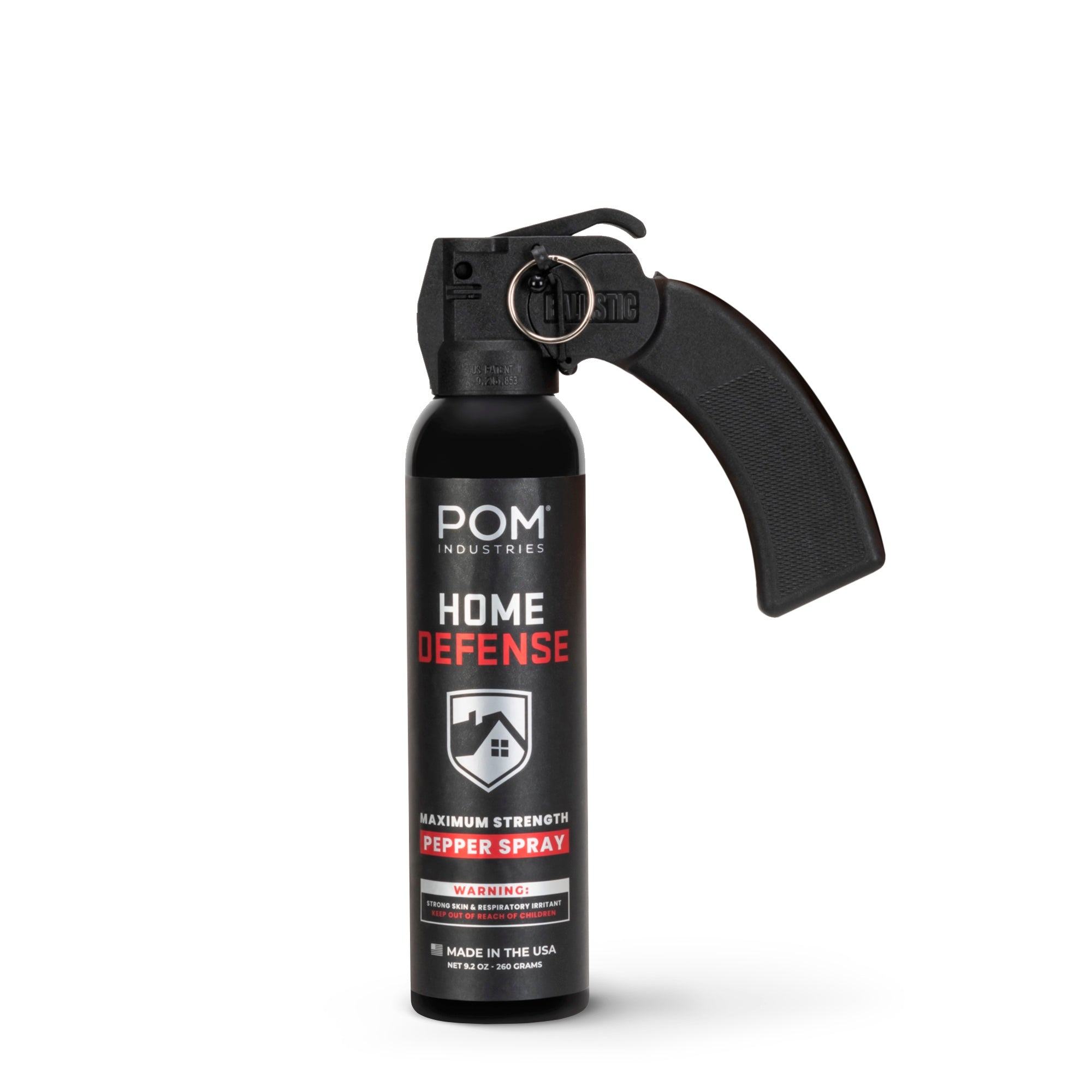
Bear spray should generally be treated as a no-go for passenger flights. The FAA notes that most bear sprays exceed the 4 oz / 118 mL limit and therefore cannot be carried under the small self-defense spray exception.
Even if a product is marketed as animal repellent, do not assume it qualifies. Bear spray canisters are usually much larger than personal pepper spray units and may have different spray patterns, pressures, and formulations.
Common Mistakes Travelers Make
Mistake 1: Packing Pepper Spray in a Purse or Backpack
Many people carry pepper spray every day on a keychain or in a purse. That habit can cause problems at the airport. Before leaving for the airport, check your keys, purse, backpack, gym bag, and jacket pockets.
Mistake 2: Assuming “Small” Means Legal
A small container is not enough. It must also be in checked baggage, have a safety mechanism, meet chemical restrictions, comply with airline policy, and be legal at the destination.
Mistake 3: Flying With Multiple Units
TSA allows one qualifying container in checked baggage. Do not pack extras for friends or family.
Mistake 4: Forgetting Airline-Specific Rules
TSA rules are not the only rules. Some airlines are stricter and may refuse pepper spray entirely.
Mistake 5: Bringing Pepper Spray Into Another Country
This can be much more serious than a TSA confiscation. Some countries treat pepper spray as a prohibited weapon.
Expert Travel Recommendation
If you are flying domestically within the United States and want to bring pepper spray, pack only one compliant unit in checked luggage, sealed inside a plastic bag and protected inside a pouch or toiletry case. Confirm your airline allows it before you travel.
If you are flying internationally, the better recommendation is usually: leave pepper spray at home and research legal personal safety alternatives at your destination.
Personal safety matters, but compliance matters too. The best self-defense tool is one you can lawfully possess, safely transport, and confidently use if needed.
Frequently Asked Questions
Can I bring pepper spray in my carry-on?
No. TSA lists pepper spray as not allowed in carry-on bags.
Can I put pepper spray in checked luggage?
Yes, under U.S. TSA rules, one 4 fl. oz. / 118 mL container may be packed in checked baggage if it has a safety mechanism and does not exceed the prohibited tear gas limits. Your airline must also allow it.
Can I fly with pepper spray on my keychain?
Not through security. Remove pepper spray from your keychain before you arrive at the airport. If it is compliant and your airline allows it, pack it in checked luggage.
Does pepper spray need to be in a plastic bag?
TSA does not list a plastic bag as the official requirement for pepper spray, but it is a strong best practice. A sealed plastic bag provides secondary containment and helps protect the rest of your luggage if the unit leaks or is damaged.
Can I fly with bear spray?
Usually no. Most bear spray canisters exceed the FAA’s 4 oz / 118 mL exception for self-defense sprays.
Can I bring pepper spray to Canada?
Do not assume so. Canada’s air travel screening authority lists pepper spray as not allowed in carry-on or checked baggage and warns that some types are illegal to possess in Canada.
Final Takeaway
Flying with pepper spray is possible on some U.S. domestic flights, but only under narrow conditions. The unit must be small, secured, packed in checked baggage, permitted by the airline, and legal at the destination.
The safest packing method is: one compliant unit, safety engaged, label visible, sealed in a plastic bag, protected inside a pouch, packed only in checked luggage, with airline and destination laws checked before travel.
When in doubt, leave it out. The inconvenience of replacing a pepper spray unit is far better than losing it at security, delaying your trip, or accidentally violating airline or local law.