


Travel Safety Guide
Cruise Ship Safety: How to Stay Prepared, Aware, and Protected at Sea
Cruises are relaxing and convenient, but ship travel comes with unique safety, health, cabin security, port, and packing considerations. Use this complete cruise ship safety guide to prepare before boarding, stay aware onboard, protect your cabin and belongings, and travel with more confidence at sea and in port.
Quick Cruise Ship Safety Summary
A safer cruise starts before you board. Review your cruise line’s prohibited items list, secure your travel documents, pack medications in your carry-on, attend the muster drill, keep your cabin locked, stay aware in crowded areas and ports, wash your hands often, and report safety or medical concerns early.
Why Cruise Ship Safety Matters
Cruises are one of the most convenient ways to travel. Your hotel, restaurants, entertainment, transportation, and itinerary are all built into one floating resort. Whether you are sailing to the Caribbean, Alaska, Europe, Mexico, or a river destination, cruising can be relaxing, social, and memorable.
But cruise travel also has unique safety considerations. You are sharing a semi-enclosed environment with thousands of passengers and crew, moving between ports, sleeping in a cabin, walking through crowded public areas, and sometimes visiting unfamiliar destinations for only a few hours at a time.
Cruise safety is not about being fearful. It is about being prepared. With smart planning, awareness, health precautions, cabin security, port safety habits, and a clear understanding of what you can and cannot bring onboard, you can enjoy your trip with more confidence.
Quick Cruise Ship Safety Checklist
Before your cruise, make sure you are prepared for boarding, ship life, port days, health concerns, and emergencies.
Before You Board
- Review your cruise line’s prohibited items list
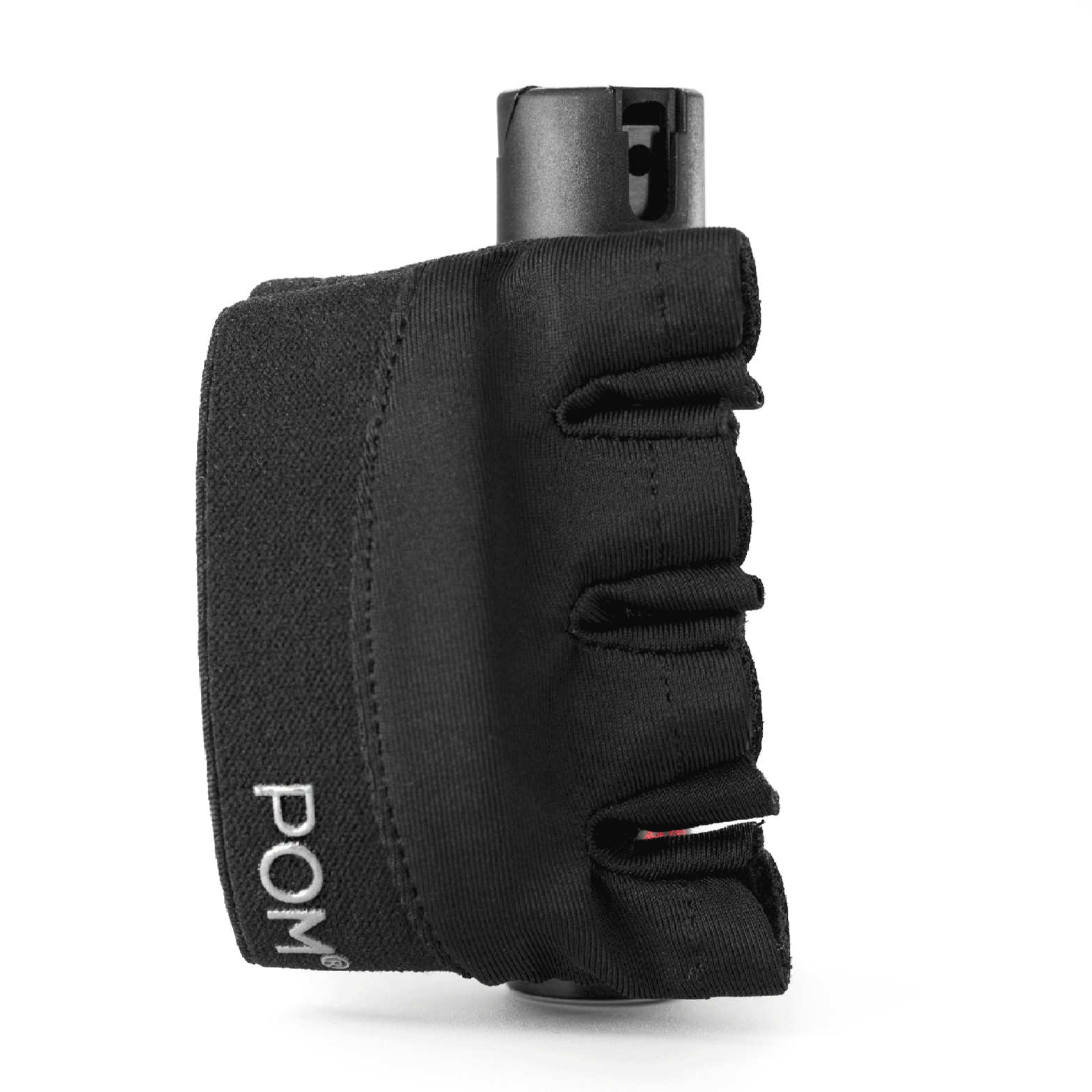
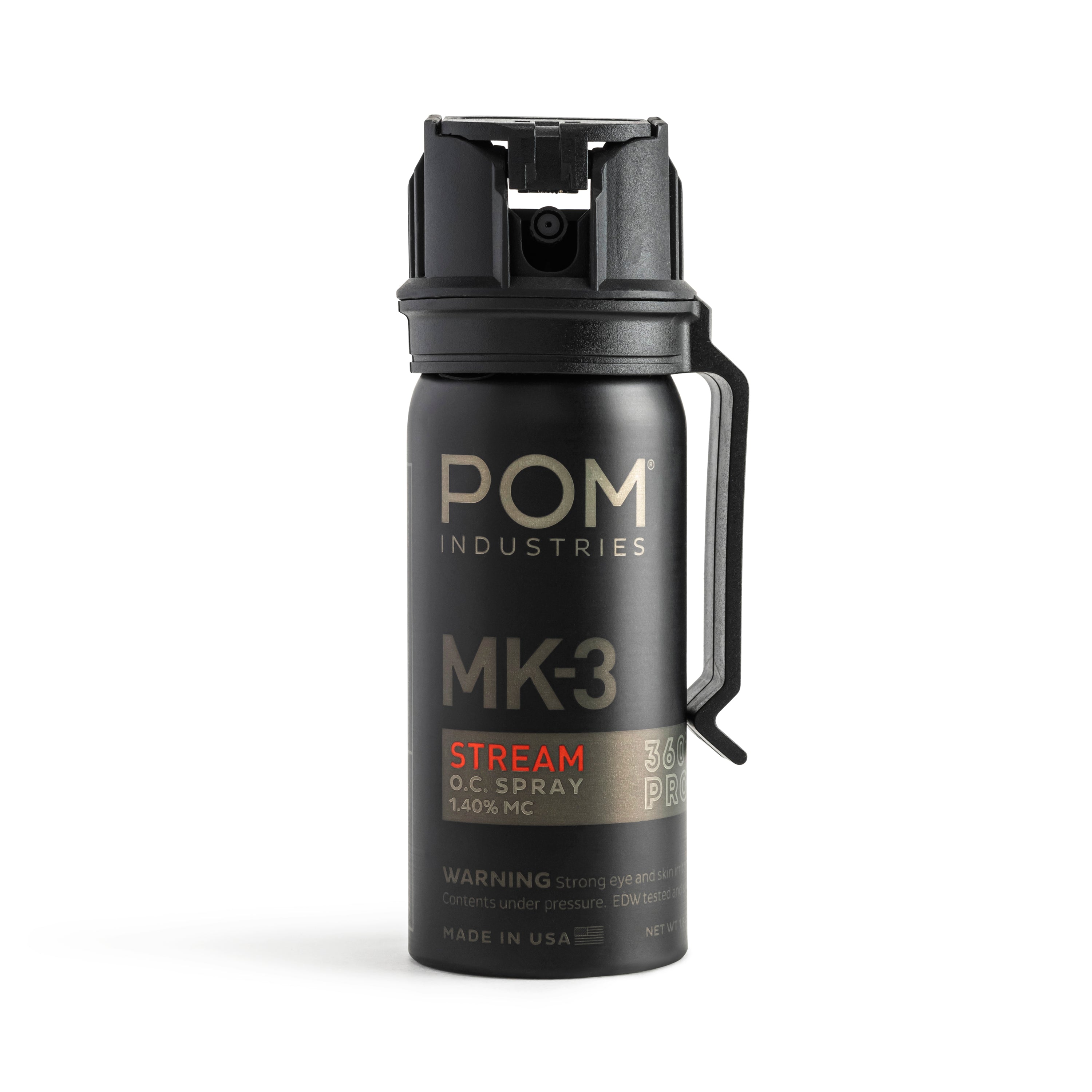
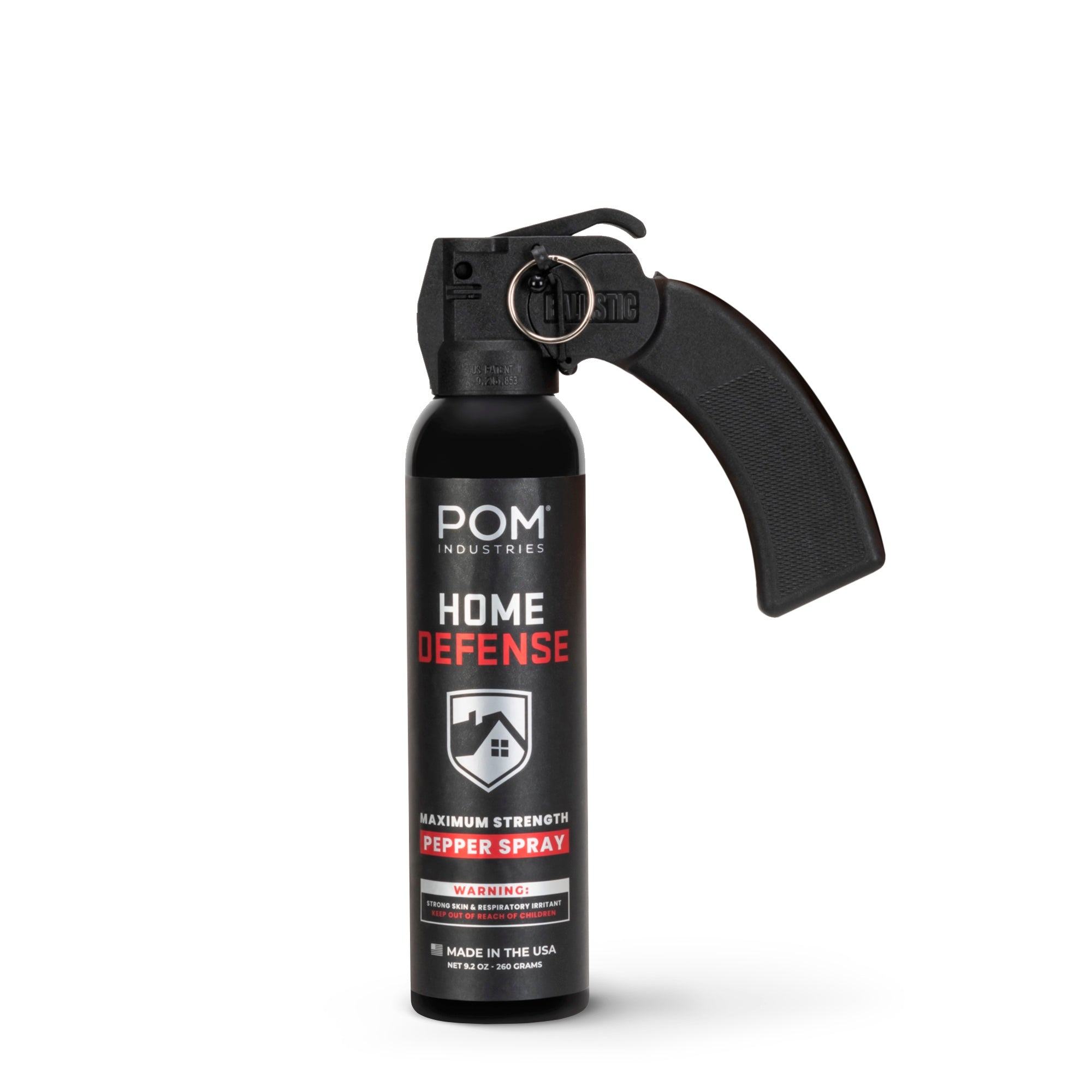
- Leave pepper spray and other self-defense sprays at home unless explicitly allowed
- Save your cruise line’s emergency contact information
- Bring required passports, IDs, visas, and copies
- Check travel advisories for each destination
- Pack prescription medications in your carry-on
Onboard and In Port
- Know your muster station and emergency procedures
- Lock your cabin door and balcony door
- Keep valuables in the cabin safe
- Stay aware in ports, taxis, excursions, bars, and crowded areas
- Avoid sharing your cabin number publicly
- Report suspicious behavior, harassment, medical issues, or safety concerns early
The U.S. State Department recommends that cruise travelers review health, safety, and security guidance before departure, including destination-specific conditions, documentation, medical care availability, and emergency planning. Review the State Department cruise ship safety guidance.
1. Research the Ship, Cruise Line, and Itinerary Before You Book
A safer cruise starts before you ever board the ship. Not every cruise experience is the same. A short party cruise, a luxury river cruise, a family-focused mega ship, an expedition cruise, and a repositioning cruise all come with different environments and risks.
Before Booking, Research:
- The cruise line’s safety and security policies
- The ship’s age, size, and itinerary
- Passenger reviews about crowding, cleanliness, and service
- Port safety conditions
- Excursion options
- Medical facilities onboard
- Travel insurance options
- Passport and visa requirements
- Weather and seasonal risks
Cruise ships operate under layered safety systems, but passengers still need to make informed decisions. The Cruise Lines International Association says shipboard security policies include crime deterrence, incident response, assisting passengers in contacting law enforcement, maintaining crime logs, preserving evidence, and security officer training. Review CLIA’s shipboard security policy overview.
2. Review Prohibited Items Before Packing
Cruise ships are strict about what passengers can bring onboard. Items that may be legal to own on land can still be prohibited on a ship.
Commonly Prohibited or Restricted Items May Include:
- Weapons
- Firearms
- Knives
- Ammunition
- Fireworks
- Illegal drugs
- Certain heating devices
- Candles
- Irons
- Drones
- Some extension cords or power strips
- Pepper spray or other self-defense sprays
Cruise lines can confiscate prohibited items at the terminal or onboard. Royal Caribbean, for example, states that prohibited items may be confiscated and that ship security has discretion to decide whether questionable items are allowed. Review Royal Caribbean’s prohibited items policy.
3. Keep Important Documents Organized
Cruises often involve multiple jurisdictions. You may board in one country, visit several others, and return through customs. Losing a passport, ID, or boarding document can create serious travel problems.
Before Leaving, Organize:
- Passport or government-issued ID
- Cruise boarding pass
- Flight information
- Hotel confirmations
- Travel insurance documents
- Emergency contact list
- Medical information
- Copies of prescriptions
- Visa documents, if required
- Copies of important documents stored separately
The State Department recommends that cruise passengers understand documentation requirements and consider the possibility of needing to disembark unexpectedly in a foreign country due to illness, emergency, or itinerary disruption.
Keep your passport, medications, phone charger, and one change of clothes in your carry-on bag when boarding. Checked cruise luggage may not arrive at your cabin immediately.
4. Attend the Muster Drill and Know Emergency Procedures
Every cruise begins with safety instructions. Even if you have cruised before, pay attention. Ships differ, layouts differ, and your muster station may not be where you expect.
Know:
- Your muster station
- The sound of the ship’s emergency signal
- Where your life jackets are located, if assigned
- The nearest stairwells
- Primary and alternate exit routes
- How to contact ship security or medical staff
- Where guest services is located
Do not treat the muster drill as a formality. In an emergency, confusion costs time. Knowing where to go before there is a problem is one of the simplest safety steps you can take.
5. Make Your Cabin More Secure
Your cruise cabin is your temporary home. Treat it like a hotel room at sea.
Cabin Safety Tips:
- Lock the door whenever you are inside
- Use the deadbolt or secondary lock if available
- Do not prop your door open
- Do not open the door for unexpected visitors
- Verify crew identity before allowing anyone inside
- Keep valuables in the cabin safe
- Store passports, cash, jewelry, and electronics securely
- Do not share your cabin number with strangers
- Check that balcony doors are locked before sleeping or leaving
If traveling with children, review balcony safety immediately. Do not allow climbing on balcony furniture, railings, or ledges. Keep balcony doors locked when not in use.
6. Stay Aware in Crowded Areas
Cruise ships can feel very safe because they are controlled environments, but they are still public spaces. Theaters, elevators, casinos, pool decks, buffets, bars, nightclubs, and embarkation areas can become crowded and distracting.
Use the Same Awareness Habits You Would Use in Any Busy Travel Environment:
- Keep your phone and wallet secure
- Do not leave bags unattended
- Watch your drinks
- Avoid excessive intoxication
- Know where exits are
- Stay with your group when possible
- Use elevators and stairwells with awareness
- Avoid isolated decks late at night
- Report suspicious behavior early
The goal is not paranoia. The goal is simple situational awareness.
7. Be Careful With Alcohol
Alcohol is widely available on many cruises, and drink packages can encourage overconsumption. Excessive drinking can increase the risk of falls, conflict, poor decision-making, lost belongings, and vulnerability in unfamiliar environments.
Safer Alcohol Habits Include:
- Set a personal limit before drinking
- Alternate alcoholic drinks with water
- Eat before and while drinking
- Do not accept open drinks from strangers
- Watch your drink being made
- Keep your drink with you
- Avoid returning to your cabin alone if impaired
- Do not go onto open decks or balconies while intoxicated
If someone in your group is impaired, stay with them or make sure they get safely back to the cabin.
8. Protect Your Health Onboard
Cruise ships bring together travelers from many places in a shared environment. The CDC notes that cruise ship travel can create health concerns because passengers and crew are in a semi-enclosed environment where person-to-person, foodborne, waterborne, droplet, airborne, and contact transmission can occur. Review CDC Yellow Book guidance on cruise ship travel.
One of the most common cruise health concerns is gastrointestinal illness, including norovirus. Norovirus can spread through close contact, contaminated surfaces, food, or water.
To Reduce Your Risk:
- Wash hands frequently with soap and water
- Wash before eating and after using the restroom
- Avoid touching your face with unwashed hands
- Use hand sanitizer as a backup, not a replacement for handwashing
- Avoid sharing cups, utensils, or food
- Report vomiting or diarrhea to medical staff
- Follow isolation instructions if you become sick
- Avoid buffet utensils if you notice poor hygiene around them
- Stay hydrated
Handwashing is especially important because some gastrointestinal viruses can spread easily in shared environments.
9. Bring Medications and Basic Health Supplies
Cruise ships have medical centers, but they are not full hospitals. Medical care onboard can also be expensive, and treatment options may be limited depending on the ship, location, and severity of the issue.
| Category | Items to Pack | Why It Matters |
|---|---|---|
| Medication | Prescription medications, extra medication, copies of prescriptions | Helps you manage delays, lost luggage, or unexpected itinerary changes. |
| Motion and Stomach Care | Seasickness remedies, anti-diarrheal medication, oral rehydration packets | Supports comfort and hydration if motion sickness or stomach illness occurs. |
| Basic First Aid | Pain reliever, antihistamine, bandages, aloe or burn gel | Allows you to handle minor issues without needing immediate medical center access. |
| Sun and Port Protection | Sunscreen, insect repellent, hand sanitizer, disinfecting wipes | Helps protect against sun exposure, insects, and shared-surface hygiene concerns. |
If you have a medical condition, check with your doctor before cruising. Make sure your travel companions know how to help in an emergency.
10. Prevent Slips, Trips, Falls, and Balcony Hazards
Falls are one of the most common travel risks on ships. Decks can be wet, stairs can move with the ship, and passengers may be distracted by crowds, drinks, luggage, or motion.
Prevent Falls
- Wear shoes with good traction
- Use handrails on stairs
- Walk carefully on pool decks
- Avoid running
- Be cautious during rough seas
- Keep your cabin floor clear
Pool and Hot Tub Safety
- Supervise children closely
- Do not assume lifeguards are present
- Avoid diving
- Walk near pools
- Hydrate in hot weather
- Avoid swimming while intoxicated
Balcony and Deck Safety
- Never sit, stand, or climb on railings
- Do not lean far over railings
- Keep children away from balcony furniture near railings
- Lock balcony doors when not in use
- Avoid balconies when intoxicated
- Respect closed deck areas
11. Be Smart in Ports
Port days are exciting, but they also require extra awareness. You may be in an unfamiliar country, dealing with different laws, languages, taxis, vendors, traffic patterns, and crime risks.
Before Leaving the Ship:
- Know the all-aboard time
- Bring ID and your ship card
- Carry a copy of your passport if appropriate
- Keep the original passport secure unless required
- Bring only necessary cash and cards
- Use official taxis or cruise-approved transportation
- Stay in groups when possible
- Research neighborhoods before wandering
- Avoid flashing jewelry or cash
- Keep bags zipped and close
- Avoid intoxication in unfamiliar areas
- Know how to contact the ship if delayed
The State Department recommends cruise passengers review destination-specific travel information and understand emergency contact options before travel.
12. Choose Excursions Carefully
Cruise excursions can be booked through the cruise line or independently. Both can be enjoyable, but travelers should understand the difference.
Cruise-Line Excursions May Offer:
- More coordination with ship schedules
- Easier communication if delays happen
- Vetted operators, depending on the cruise line
- Clear meeting points and return plans
Independent Excursions May Offer:
- Lower prices
- Smaller groups
- More flexible experiences
- More responsibility on the traveler
Before Booking Any Excursion, Check:
- Operator reviews
- Transportation safety
- Physical difficulty
- Weather risk
- Required gear
- Cancellation policy
- Return time
- Distance from the ship
- Whether the activity is appropriate for your health and fitness
For water activities, verify life jackets, guide qualifications, and emergency plans.
13. Keep Kids and Teens Safe on Cruises
Cruises can be great for families, but ships are large, busy environments. Children and teens need clear rules.
Family Cruise Safety Tips:
- Set meeting points
- Review cabin number and deck
- Use youth programs with clear check-in/check-out rules
- Teach children how to find crew members
- Do not allow kids to roam alone late at night
- Set curfews for teens
- Review elevator and stairwell safety
- Supervise pools and hot tubs
- Keep balcony doors locked
- Use onboard messaging if available
CLIA’s shipboard security policies include safeguarding children in youth activity centers through staff vetting, supervision, and emergency planning.
14. Use Digital Safety Habits
Cruise vacations are highly shareable, but oversharing can create risk.
Digital Safety Tips:
- Avoid posting your cabin number
- Avoid posting real-time location if your home is empty
- Use secure Wi-Fi when possible
- Avoid accessing sensitive accounts on public networks
- Use strong phone passcodes
- Keep devices physically secure
- Back up travel documents digitally
- Turn on location sharing with a trusted person if helpful
Do not leave phones, tablets, or cameras unattended at pools, buffets, or lounges.
15. Know What to Do If You Feel Unsafe
If a person, location, or situation makes you feel unsafe, act early.
You Can:
- Leave the area
- Move toward crowds or staff
- Go to guest services
- Contact ship security
- Ask a crew member for help
- Return to your cabin and lock the door
- Call your travel companions
- Report harassment, threats, theft, or assault immediately
- Seek medical help if needed
Cruise lines have onboard security teams, and CLIA states that ship security officers are trained in incident response, crime scene preservation, reporting, and victim support.
16. Report Problems Early
Do not wait to report serious issues. Early reporting helps the crew respond faster and can help preserve evidence if a crime or safety incident occurred.
Report:
- Theft
- Harassment
- Assault
- Threats
- Suspicious behavior
- Medical symptoms
- Slip and fall injuries
- Lost documents
- Missing persons
- Cabin security concerns
- Unsafe excursion conditions
If an incident happens in port, you may also need local police, port authorities, the U.S. embassy or consulate, or your cruise line’s port agent.
Cruise Safety Essentials to Pack
Documents and Communication
- Passport or ID
- Cruise boarding documents
- Travel insurance information
- Emergency contacts
- Copies of prescriptions
- Phone charger
- Portable power bank
- Waterproof phone pouch
- Printed itinerary
Health and Hygiene
- Prescription medications
- Motion sickness remedies
- Pain reliever
- Anti-diarrheal medication
- Oral rehydration packets
- Hand sanitizer
- Disinfecting wipes
- Sunscreen
- Insect repellent
- Basic first aid items
Personal Safety and Security
- Personal alarm, if permitted
- Small flashlight
- Door stop alarm, if permitted
- RFID-blocking wallet or secure travel wallet
- Luggage locks
- Crossbody bag or anti-theft bag
- Copy of passport stored separately
- Emergency cash
Cabin and Port Safety
- Comfortable shoes with traction
- Light jacket or rain layer
- Reusable water bottle
- Small day bag
- Hat and sunglasses
- Waterproof pouch for excursions
- Whistle for outdoor excursions, if permitted
Before packing any safety device, check your cruise line’s prohibited items policy.
Final Cruise Ship Safety Takeaway
Cruises are designed to be enjoyable, convenient, and memorable. Most travelers cruise without serious problems. Still, a ship is a shared travel environment with unique safety, health, and security considerations.
The safest cruise passengers prepare before boarding, stay aware onboard, keep cabins secure, protect their health, make smart decisions in ports, and report problems early.
The goal is simple: pack smart, stay aware, follow ship rules, and enjoy the journey with confidence.
FAQ: Cruise Ship Safety
Are cruise ships safe?
Cruise ships operate under extensive safety and security systems, and major cruise lines maintain onboard security, emergency procedures, medical facilities, and crew training. Passengers should still stay aware, follow ship rules, attend safety briefings, and report concerns early.
Can I bring pepper spray on a cruise?
Usually, no. Many cruise lines prohibit weapons and self-defense sprays, including pepper spray. Check your specific cruise line’s prohibited items policy before packing. When in doubt, leave it at home.
What should I do if I feel unsafe on a cruise ship?
Move to a public area, contact ship security, go to guest services, alert a crew member, or call emergency services onboard. Report harassment, threats, theft, assault, or suspicious behavior as soon as possible.
How do I stay healthy on a cruise?
Wash your hands often with soap and water, especially before eating and after using the restroom. Avoid touching your face with unwashed hands, report illness to medical staff, stay hydrated, and follow crew instructions during any health advisory.
What should I keep in my cruise carry-on bag?
Pack your ID or passport, boarding documents, medications, phone charger, valuables, travel insurance information, basic toiletries, and one change of clothes. Your checked cruise luggage may not arrive at your cabin immediately.
Is it safe to leave the ship in port?
Port safety varies by destination. Research each port, use reputable transportation, avoid displaying valuables, stay aware, travel in groups when possible, and return before the all-aboard time.
Should I use the cabin safe?
Yes. Store passports, cash, jewelry, extra cards, and important documents in the cabin safe when you do not need them.
What is the most common safety mistake on cruises?
Common mistakes include overdrinking, ignoring handwashing, leaving valuables unattended, missing safety briefings, sharing cabin numbers, wandering unfamiliar ports without a plan, and assuming ship rules are the same as rules on land.