Campus Safety
Starts With Preparedness
Why Campus Safety Deserves a Plan
Colleges that participate in federal financial aid programs are required under the Clery Act to disclose campus crime and safety information.
Students should understand personal safety basics, campus resources, emergency contacts, and how to get help if something happens.
Many students do not report safety incidents to campus resources or police, which makes awareness, support, and planning even more important.
Nothing can guarantee safety, but having a plan and the right tools can make a real difference in an emergency.
Sources include the U.S. Department of Education Clery Act, Federal Student Aid Campus Safety and Security Data, the National Center for Education Statistics, and the AAU Campus Climate Survey.
Use well-lit routes, walk with others when possible, keep headphones low, and know where emergency phones or campus security stations are located.
Lock doors, do not prop residence hall entrances open, keep valuables out of sight, and know your RA or housing emergency contact.
Confirm driver and license plate, share trip status with a trusted contact, stay with friends, and leave situations that feel off.
Where allowed, keep personal safety tools accessible, not buried at the bottom of a backpack. Understand how they work before carrying them.
Safety isn't about creating fear — it's about preparation and confidence. Talk with your student before move-in day about the basics that will help them make smart decisions.
Ask where they would go for help after hours.
Review the campus safety office number together.
Talk through rideshares, parties, parking lots, and walking at night.
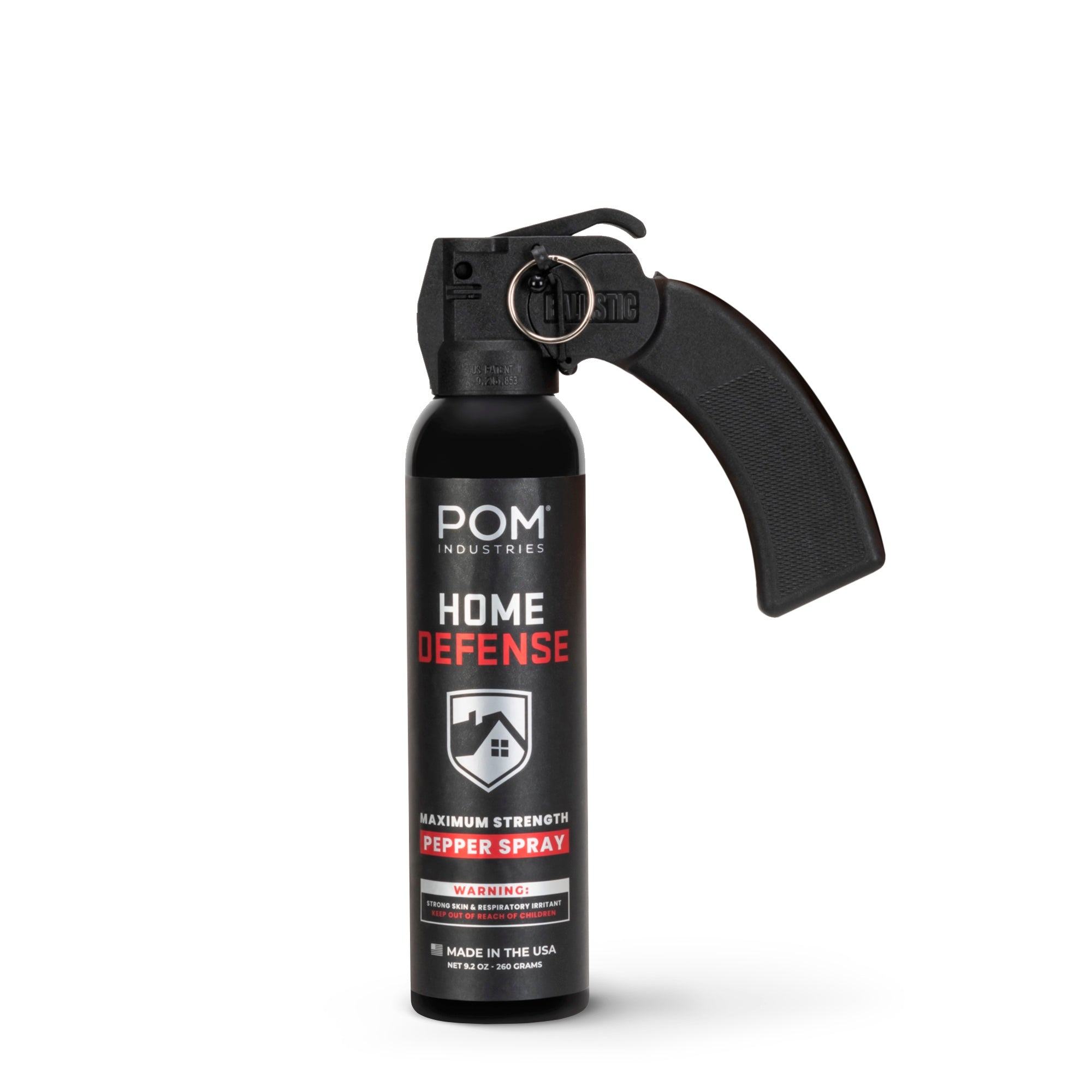
Check dorm rules and state laws before purchasing any self-defense product.
Create a plan for checking in without hovering.
Where Campus Safety Habits Matter Most
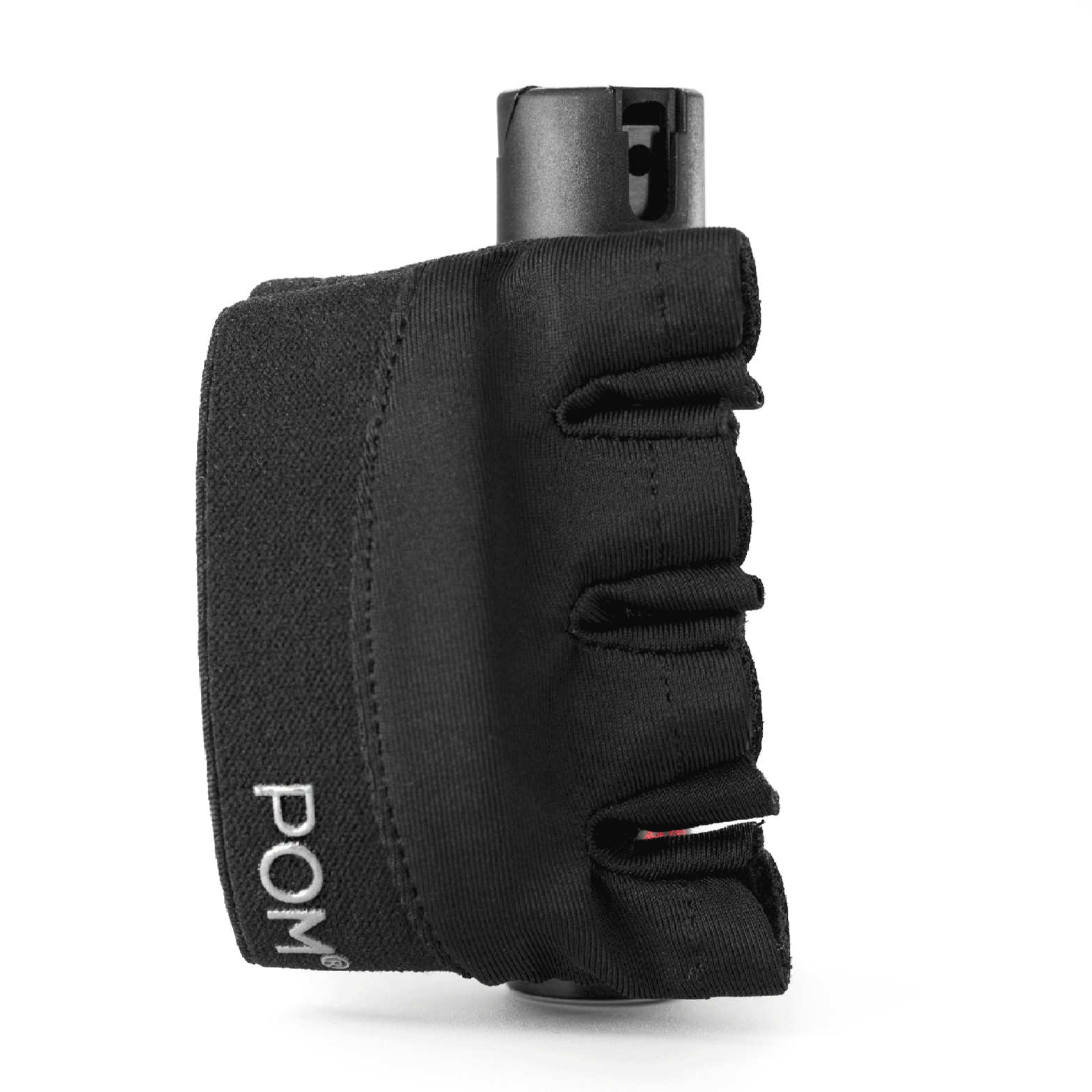
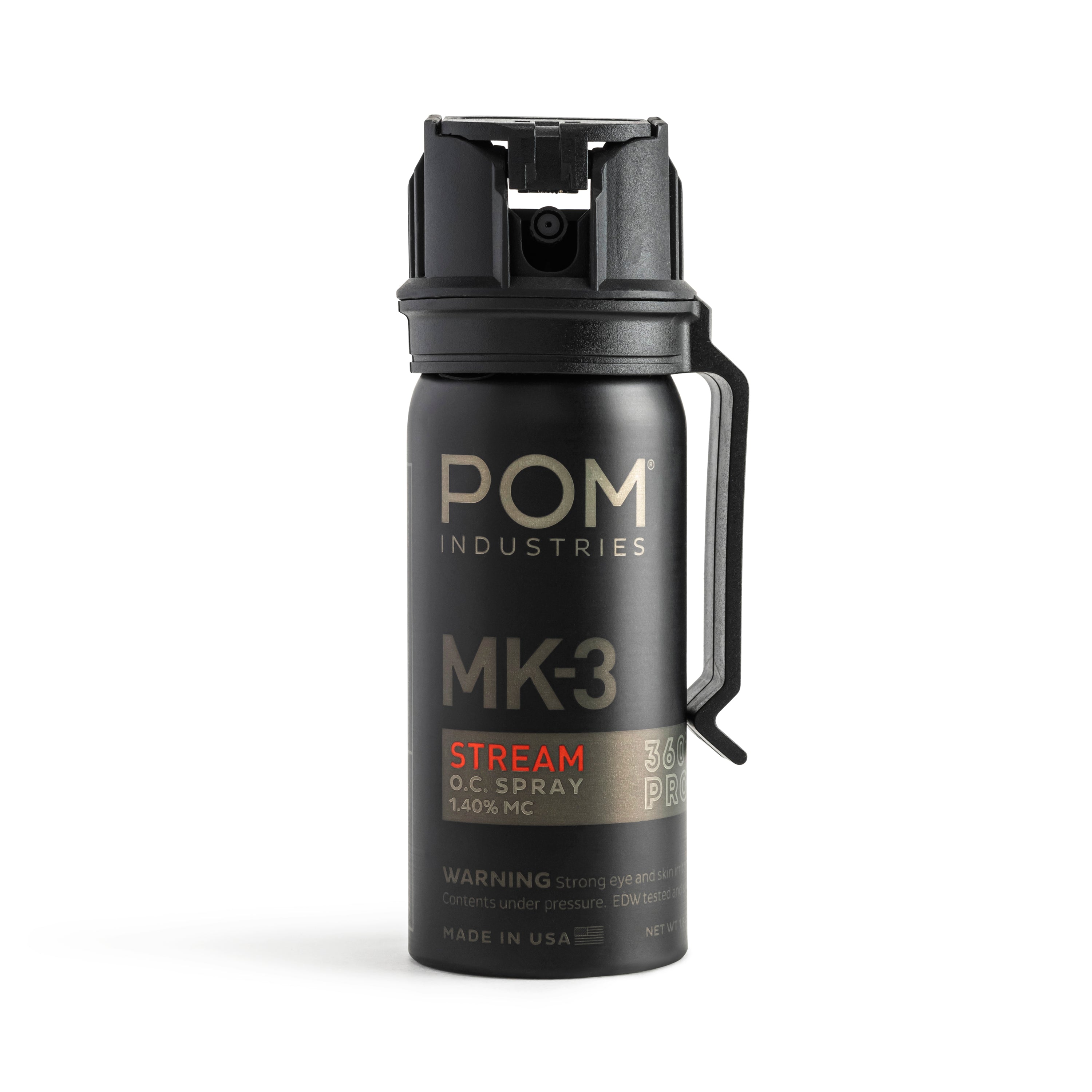
POM personal safety devices are designed to fit seamlessly into campus life — compact, reliable, and ready when you need them most.
Adds an audible alert option for students who want a simple, non-spray safety tool.
Attaches to keys, bags, or lanyards for quick access during daily campus routines
Clips discreetly to pockets, bags, or waistbands for practical everyday carry.