



Travel Safety Guide
Road Trip Safety: How to Stay Prepared, Alert, and Protected on the Road
Road trips are exciting, but they also come with risks like vehicle trouble, fatigue, severe weather, theft, unfamiliar stops, and personal safety concerns. Use this complete road trip safety guide to prepare your vehicle, pack the right emergency gear, plan safer stops, and travel with more confidence.
Quick Road Trip Safety Summary
A safer road trip starts before you leave. Check your vehicle, pack an emergency kit, plan your route, avoid drowsy driving, choose safe gas stations and rest stops, protect your belongings, and keep legal personal safety tools accessible where permitted.
Why Road Trip Safety Matters
Road trips offer freedom, flexibility, and adventure. Whether you are driving across the country, heading to the beach, visiting family, or taking a weekend getaway, traveling by car gives you control over your schedule and route.
But road trips also come with risks that are easy to underestimate: vehicle problems, fatigue, severe weather, distracted driving, unfamiliar areas, isolated gas stations, hotel safety concerns, and emergencies that can happen miles from help.
A safer road trip starts before you leave the driveway. With the right planning, vehicle checks, emergency supplies, and personal safety habits, you can reduce risk and travel with more confidence.
Quick Road Trip Safety Checklist
Before any long drive, make sure you have the essentials ready. This checklist covers your vehicle, emergency supplies, communication, and personal safety basics.
Vehicle and Documents
- Valid driver’s license
- Registration and insurance
- Roadside assistance information
- Tire pressure checked, including the spare
- Fluids topped off
- Lights and windshield wipers working
Emergency and Safety Gear
- Fully charged phone and car charger
- First aid kit
- Flashlight
- Jumper cables or battery jump starter
- Water and snacks
- Emergency blanket or extra clothing
- Legal personal safety tool, where permitted
Ready.gov recommends planning long trips carefully, checking weather and road conditions, and keeping emergency supplies in your vehicle in case you become stranded. Review Ready.gov’s car emergency guidance.
1. Prepare Your Vehicle Before You Leave
Your vehicle is the foundation of your road trip safety plan. A breakdown is inconvenient anywhere, but on a rural highway, at night, in bad weather, or in an unfamiliar area, it can quickly become a serious safety issue.
Before a Long Drive, Check:
- Tire pressure and tread depth
- Oil level
- Coolant level
- Brake fluid
- Windshield washer fluid
- Headlights, brake lights, and turn signals
- Wiper blades
- Battery condition
- Spare tire, jack, and tire tools
NHTSA recommends checking tire pressure using the vehicle’s tire information placard or owner’s manual. Tire pressure should be checked regularly because tires naturally lose air over time. Learn more from NHTSA’s tire safety guidance.
Do not forget the spare tire. Many drivers check all four tires and forget the one they may need most in an emergency.
2. Build a Roadside Emergency Kit
A roadside emergency kit is one of the most important things you can keep in your car. You may never need it, but if you do, it can make a major difference.
| Category | Items to Pack | Why It Matters |
|---|---|---|
| Vehicle Help | Jumper cables, battery jump starter, tire pressure gauge, portable air compressor, basic tools | Helps you respond to common vehicle issues like a dead battery or low tire pressure. |
| Visibility | Flashlight, extra batteries, reflective triangles, roadside flares where legal | Makes you and your vehicle more visible during breakdowns or nighttime emergencies. |
| Health and Comfort | First aid kit, blanket, water, snacks, medications, rain poncho | Helps you stay safe and comfortable if you are delayed, stranded, or waiting for help. |
| Communication | Phone charger, power bank, paper map, emergency contact list | Gives you backup options if service drops, your phone dies, or navigation fails. |
Ready.gov recommends keeping a car emergency kit with items such as jumper cables, flares or reflective triangles, a car cell phone charger, blanket, map, traction material, and water. See Ready.gov’s full vehicle emergency recommendations.
Extra Items for Winter Road Trips
- Ice scraper and snow brush
- Small shovel
- Extra warm clothing
- Gloves and hat
- Hand warmers
- Cat litter or sand for traction
Extra Items for Summer Road Trips
- Extra drinking water
- Sunscreen
- Cooling towels
- Electrolytes
- Extra engine coolant, if appropriate for your vehicle
3. Plan Your Route, But Stay Flexible
Navigation apps are helpful, but they should not be your only plan. Cell service can drop, batteries can die, and road closures can force detours.
Before Leaving:
- Review your full route
- Identify major highways and backup routes
- Check road closures and construction
- Save your destination offline
- Share your route with someone you trust
- Plan fuel stops before your tank gets low
For long trips, avoid pushing fuel stops too far. A good rule is to refuel when your tank reaches a quarter full, especially in rural areas or at night.
You should also build in rest stops. A route that looks manageable on a map may feel very different after traffic, weather, delays, and fatigue.
4. Avoid Drowsy Driving
Fatigue is one of the biggest road trip dangers. Long drives often start early, run late, or follow a busy workweek. That combination can make drowsy driving more likely.
NHTSA warns that drowsy driving is dangerous but preventable and identifies fatigue-related crashes as a major road safety concern. Read NHTSA’s drowsy driving guidance.
Warning Signs of Drowsy Driving
- Frequent yawning
- Heavy eyelids
- Drifting from your lane
- Missing exits or turns
- Trouble remembering the last few miles
- Irritability
- Difficulty maintaining speed
How to Reduce Drowsy Driving Risk
- Sleep well the night before your trip
- Avoid driving during your normal sleep hours
- Take breaks every two to three hours
- Switch drivers when possible
- Stop if you feel yourself nodding off
- Use caffeine as a short-term aid, not a substitute for sleep
Rolling down the window or turning up music is not a real solution. If you are too tired to drive, the safest move is to stop.
5. Stay Aware at Gas Stations and Rest Stops
Gas stations, rest areas, and convenience stores are normal parts of road travel, but they are also moments when your attention can drop. You are outside the vehicle, handling your wallet, looking at your phone, or managing kids, pets, luggage, or directions.
Use These Simple Awareness Habits:
- Choose well-lit, busy stations when possible
- Park near the entrance or visible areas
- Keep your keys in your hand
- Lock your car when stepping away
- Do not leave valuables visible
- Avoid distractions while pumping gas
- Trust your instincts if a location feels wrong
- Leave before getting out if something feels unsafe
When traveling alone, try to stop during daylight and avoid isolated locations late at night. If you need to check directions, do it before exiting the vehicle or after locking the doors.
6. Keep Personal Safety Tools Accessible and Legal
A road trip often takes you through unfamiliar cities, rest stops, parking lots, hotels, and roadside areas. Personal safety tools can be helpful, but they must be used responsibly and legally.
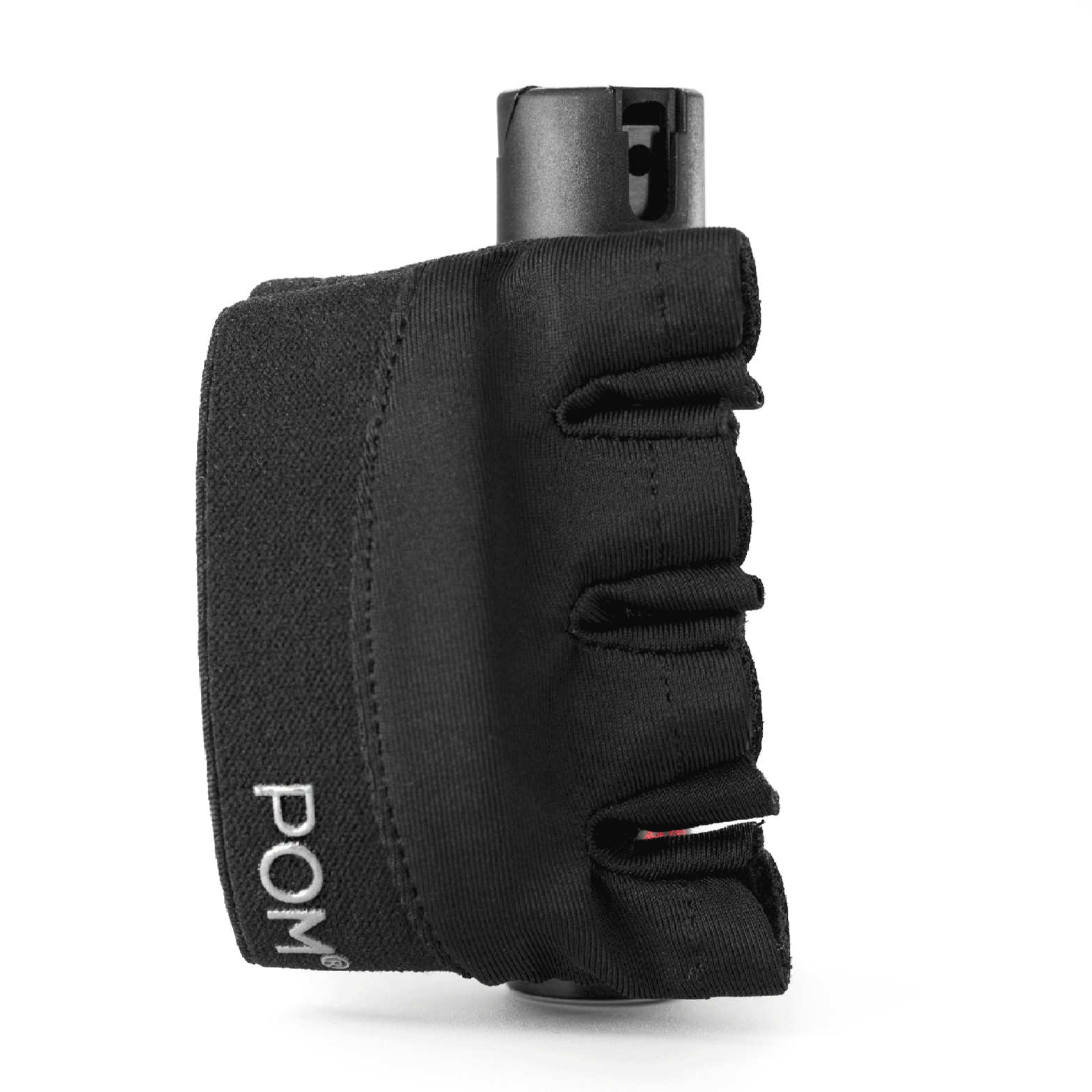
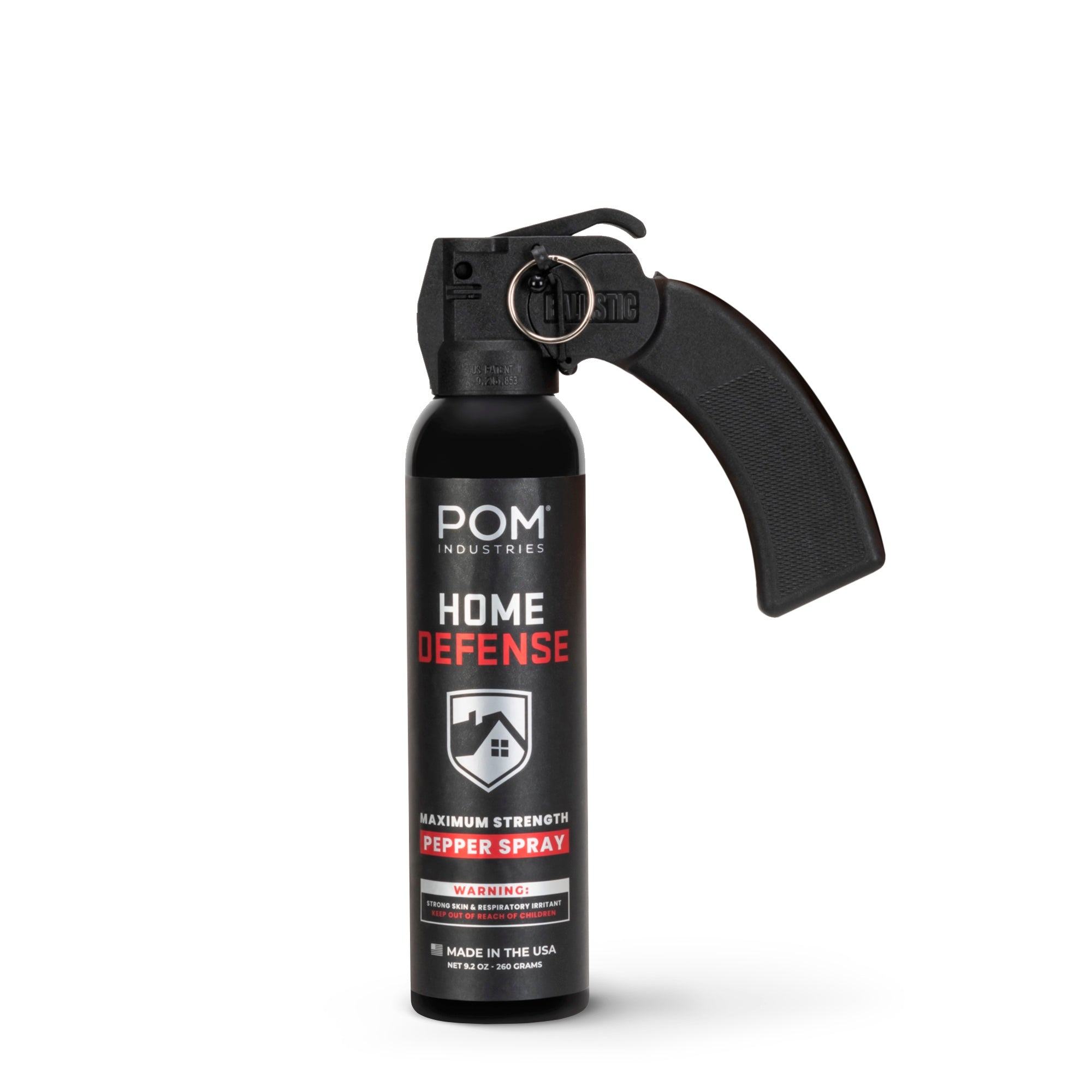
Pepper spray is a popular choice because it is compact, non-lethal, and easy to carry. However, laws vary by state and sometimes by city. Before traveling with pepper spray, check the rules for every state you will enter, not just your starting point and destination.
When Carrying Pepper Spray on a Road Trip:
- Keep it accessible, not buried under luggage
- Do not leave it loose where children can access it
- Store it away from extreme heat
- Make sure the safety mechanism is intact
- Know how your unit works before you need it
- Do not carry it into restricted areas where it is prohibited
A personal safety tool should be part of a broader safety plan, not a replacement for awareness, avoidance, and good decision-making.
7. Protect Your Belongings
Road trips often involve luggage, electronics, camera gear, backpacks, purses, and shopping bags. A packed car can become an easy target if valuables are visible.
To Reduce Theft Risk:
- Keep bags below window level
- Use the trunk or cargo cover
- Bring valuables into the hotel overnight
- Avoid leaving laptops, wallets, or firearms in the vehicle
- Park in visible, well-lit areas
- Lock doors every time
- Do not leave keys in the vehicle, even briefly
If you are stopping for food or sightseeing before checking into a hotel, think ahead about where your luggage will be stored.
8. Practice Hotel and Overnight Stop Safety
Hotel safety is an often-overlooked part of road trip planning. After hours of driving, it is easy to relax and stop paying attention. That is when simple habits matter.
When Checking Into a Hotel:
- Park in a well-lit area
- Avoid announcing your room number out loud
- Use all door locks once inside
- Check that windows and connecting doors are locked
- Do not open the door for unexpected visitors
- Use the peephole before opening the door
- Keep your keys, phone, and personal safety tool near the bed
- Know where the exits are
If a hotel, motel, or parking area feels unsafe, trust your instincts and consider leaving. Convenience is not worth ignoring a serious safety concern.
9. Prepare for Weather
Weather can change a road trip quickly. Heavy rain, snow, ice, fog, wildfire smoke, high winds, and extreme heat can all affect your route and vehicle.
Before Driving, Check:
- Weather along the full route
- Conditions at mountain passes
- Flood warnings
- Snow or ice alerts
- Wildfire and smoke updates
- Heat advisories
- Road closures
Ready.gov advises checking up-to-date weather forecasts and road conditions before long trips, and driving in bad weather only if absolutely necessary. Review Ready.gov’s guidance for vehicle emergencies.
If conditions worsen, slow down, increase following distance, and consider stopping. Arriving late is better than driving through dangerous conditions.
10. Keep Kids and Pets Safe
Family road trips require extra planning. Kids and pets can add distractions, and both need special safety considerations.
For Kids
- Use age- and size-appropriate car seats or boosters
- Keep snacks, water, and entertainment accessible
- Plan regular bathroom breaks
- Never leave children unattended in a parked car
- Keep emergency contacts and medical information available
For Pets
- Use a crate, harness, or pet restraint
- Bring water and a travel bowl
- Plan pet-friendly stops
- Do not let pets roam freely in the vehicle
- Never leave pets in a hot car
A comfortable passenger is less likely to become a distraction.
11. Manage Digital Safety
Road trip safety is not only physical. Digital habits matter too.
Avoid posting your exact location in real time, especially if your home will be empty while you are away. Consider waiting until later to share trip photos publicly.
Before Leaving:
- Download offline maps
- Save hotel confirmations
- Save emergency contacts
- Charge power banks
- Enable location sharing with a trusted person
- Back up important documents digitally
During the trip, do not handle your phone while driving. Set the route, music, and calls before moving, or have a passenger manage them.
12. What to Do If You Break Down
If your car breaks down, your first priority is safety.
If Possible:
- Pull completely off the road
- Turn on hazard lights
- Stay inside the vehicle if you are near traffic
- Call roadside assistance or emergency services
- Use reflective triangles if it is safe to place them
- Do not stand behind or beside the vehicle near traffic
- Keep your seatbelt on if you remain inside
If someone stops to help, crack the window slightly rather than opening the door fully. It is okay to accept help from a safe distance while still keeping your doors locked.
13. What to Do If You Feel Unsafe
If a person, vehicle, or location makes you feel unsafe, do not ignore that instinct.
You Can:
- Leave the area immediately
- Drive to a busy, well-lit location
- Call someone and stay on the phone
- Avoid going directly to your hotel or home if you think you are being followed
- Drive to a police station, fire station, hospital, or busy business
- Call 911 if there is an immediate threat
Do not worry about seeming rude. Personal safety comes first.
Road Trip Safety Essentials to Pack
Vehicle and Emergency Gear
- Jumper cables or battery jump starter
- Flashlight
- Reflective triangles
- Tire pressure gauge
- Portable tire inflator
- Spare tire and jack
- First aid kit
- Multi-tool
- Duct tape
- Work gloves
- Blanket
- Rain poncho
Personal and Safety Items
- Water and snacks
- Medications
- Sunglasses and sunscreen
- Hand sanitizer and wet wipes
- Cash
- Phone charger and power bank
- Pepper spray, where legal
- Personal alarm
- Door stop or portable travel lock
- Copies of important documents
- Written emergency contacts
Final Road Trip Safety Takeaway
A safe road trip is not about being fearful. It is about being prepared.
Before you leave, inspect your vehicle, build an emergency kit, check the weather, plan your route, and make smart decisions about when and where to stop. On the road, stay alert, avoid fatigue, protect your belongings, and keep legal personal safety tools accessible.
The best road trips feel spontaneous, but the safest ones are built on preparation.
FAQ: Road Trip Safety
What should I check before a road trip?
Before a road trip, check tire pressure, oil, coolant, brakes, lights, windshield wipers, battery condition, spare tire, registration, insurance, and emergency supplies.
What should be in a road trip emergency kit?
A road trip emergency kit should include water, snacks, a flashlight, first aid kit, jumper cables, reflective triangles, tire pressure gauge, phone charger, blanket, basic tools, and weather-appropriate gear.
How often should I stop on a long drive?
A good rule is to stop every two to three hours to stretch, use the restroom, hydrate, and reset your focus. Stop sooner if you feel tired.
Is pepper spray good for road trips?
Pepper spray can be a useful personal safety tool where legal, but travelers should check state and local laws before carrying it across state lines. It should be stored safely, kept away from children, and protected from extreme heat.
What is the most dangerous part of a road trip?
Common road trip risks include drowsy driving, distracted driving, speeding, poor weather, vehicle problems, and unsafe stops in unfamiliar areas. Preparation and awareness reduce these risks significantly.
Should I share my road trip route with someone?
Yes. Share your general route, destination, and expected arrival time with someone you trust, especially if you are traveling alone or through remote areas.