

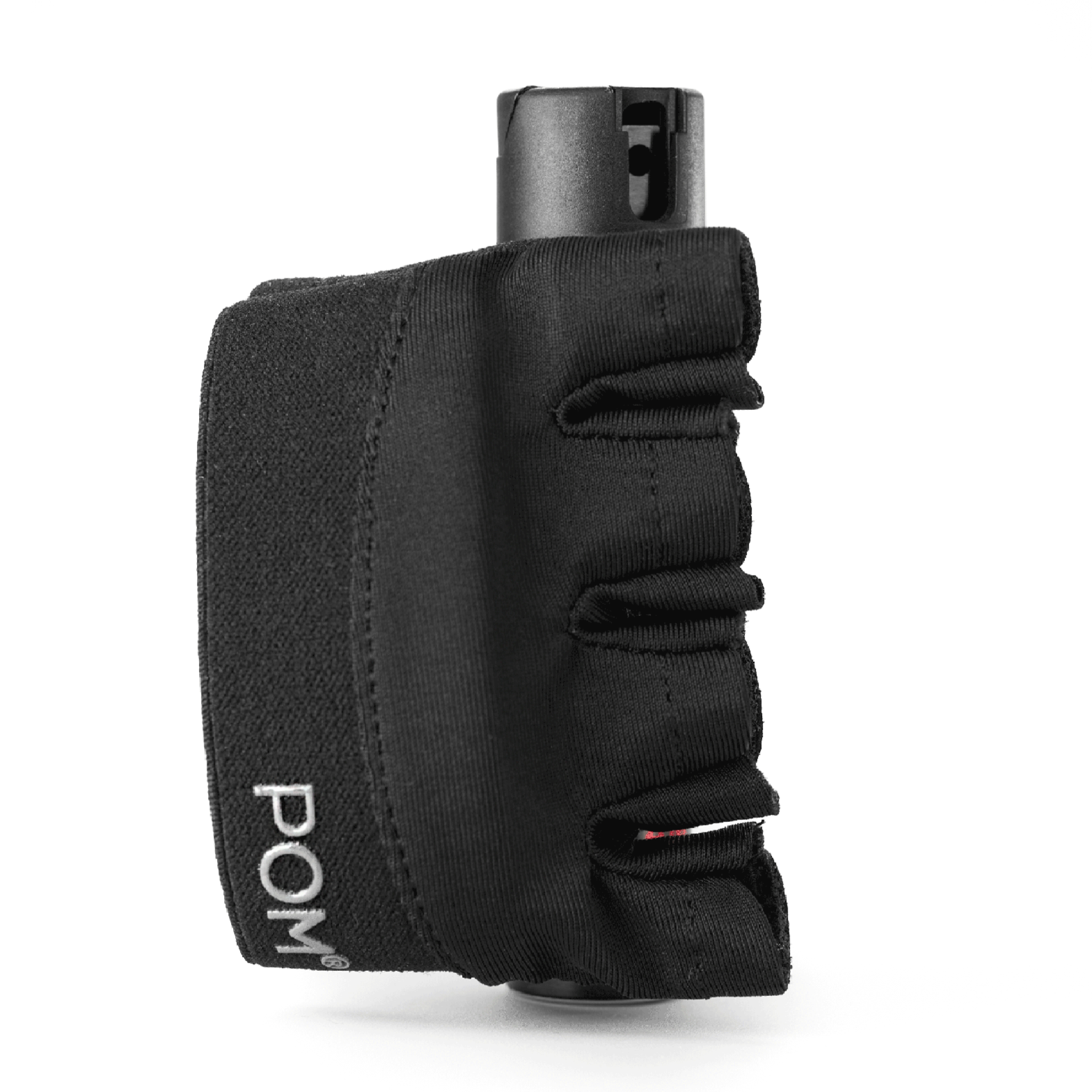
POM Clip
½ oz stream spray that clips to a pocket or strap
$14.95Shop POM Clip



Pepper spray comes in four types: stream, fog, gel and foam. The active ingredient is the same in all four. What changes is how the spray leaves the can, and that decides how far it reaches and how carefully you have to aim.
By POM Industries · Updated · 5 min read
The four main types of pepper spray are stream, fog (also sold as cone), gel and foam. The name describes the spray pattern, not the strength. A stream is a narrow line that reaches farthest and holds steady in wind, but you have to aim it. A fog or cone spreads wide, so it's easier to land, but it drifts and can reach you or people nearby. Gel and foam are thicker sprays that stick where they land. Every POM sprays a stream.
Each type has an upside and a downside. Knowing both helps you pick the one that fits how you'll carry it.
| Type | How it leaves the can | What to know |
|---|---|---|
| Stream | A narrow line of liquid, aimed at one person. | Longest reach, and steady in wind. Needs accurate aim. |
| Cone | A broad spray that covers a wider area. | Easier to land. Less effective in wind, and more of it can reach you or bystanders. |
| Fog | A cloud of fine droplets that fills a larger area. | Generally used to clear a space or disperse a crowd. Shortest reach of the three. Not for windy conditions. |
| Gel | A thicker formula that comes out as a sticky line. | Sticks where it lands. Check the label for range. |
| Foam | A thick lather. | Coats what it hits. Check the label for range. |
Real products fall along a range between these types, and one maker's cone can behave like another's fog. Go by the range and directions printed on the label.
A stream leaves the can as a narrow line of liquid and doesn't spread much on the way.
Most of the spray goes where you point it. A stream reaches farther than the wider patterns and stays steady in wind, which helps keep it off you.
You have to aim. A stream covers a small area, so it has to land on the face to work. That takes practice.

These spread out as they leave the can and cover the area around the person, not just the person.
Aim matters less. A wide pattern is easier to land, because you don't have to be exact.
The spray that spreads sideways can reach you and anyone nearby. Wind makes both patterns less effective. Foggers are generally used to clear a space or disperse a crowd.
Both swap the thin liquid for something thicker.
Comes out as a sticky line and stays where it lands.
Comes out as a lather that coats what it hits.
POM doesn't make gel or foam units. If you're looking at one, check the range and directions on its label.
All four types use the same active ingredient: OC, short for oleoresin capsicum.
How hot a spray is depends on its formula, not its pattern. To compare strength between brands, look for the MC (major capsaicinoids) percentage on the label. Every POM uses the same formula: 10% OC, 2.12M SHU and 1.40% MC.
How OC, SHU and MC work · How to choose the best pepper spray
These are our tips. Start with where you'll carry it and who's likely to be around you.
If you'll carry it outdoors, wind matters. A stream holds steady in wind.
Wider patterns put more spray into the air around you. In a hallway, a car or a crowd, that can reach you and other people.
Any type works better once you've tried it. An inert unit sprays water, so you can practice opening the flip-top, aiming and pressing.
Range and expiration date are printed on the unit or its packaging. Compare those, not the name of the pattern.
Every POM unit sprays a stream, with the same formula in each.
A stream gives the longest reach, holds steady in wind and puts less spray in the air around you than a fog or cone. That's why POM uses it.
Check your state's rules before you order.
½ oz stream spray that clips to a pocket or strap


½ oz stream spray for your key ring
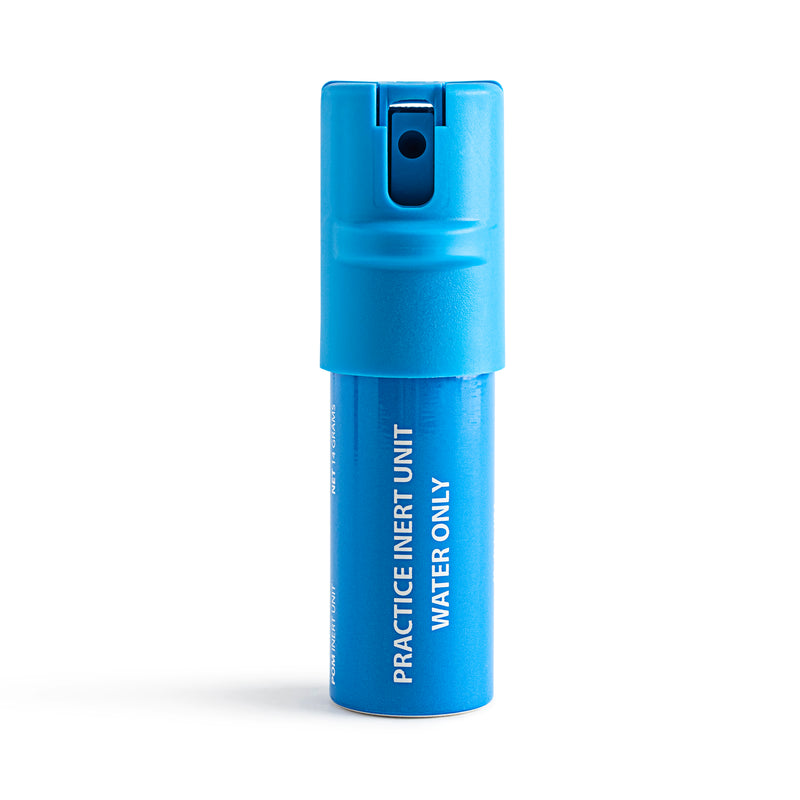
Water only, for practicing your aim
Stream, cone and fog don't mean the same thing from brand to brand. Read the range on the label.
Pattern is coverage, not heat. Compare the MC % to compare strength.
A gust can carry spray back at you, the wider patterns most of all. Notice which way it's blowing.
The first time you aim shouldn't be the time you need it. Practice with an inert unit.
There are four main types: stream, fog (also sold as cone), gel and foam. All use the same active ingredient, OC. The type describes how the spray leaves the can.
Among stream, cone and fog, a stream has the longest reach. Range still varies by product, so check the number on the label.
A stream holds steady in wind. Cone and fog patterns lose effectiveness in wind, and a gust can carry any spray back toward you.
No. The type is the spray pattern, not the strength. Strength comes from the formula, and the number to compare is the MC (major capsaicinoids) percentage.
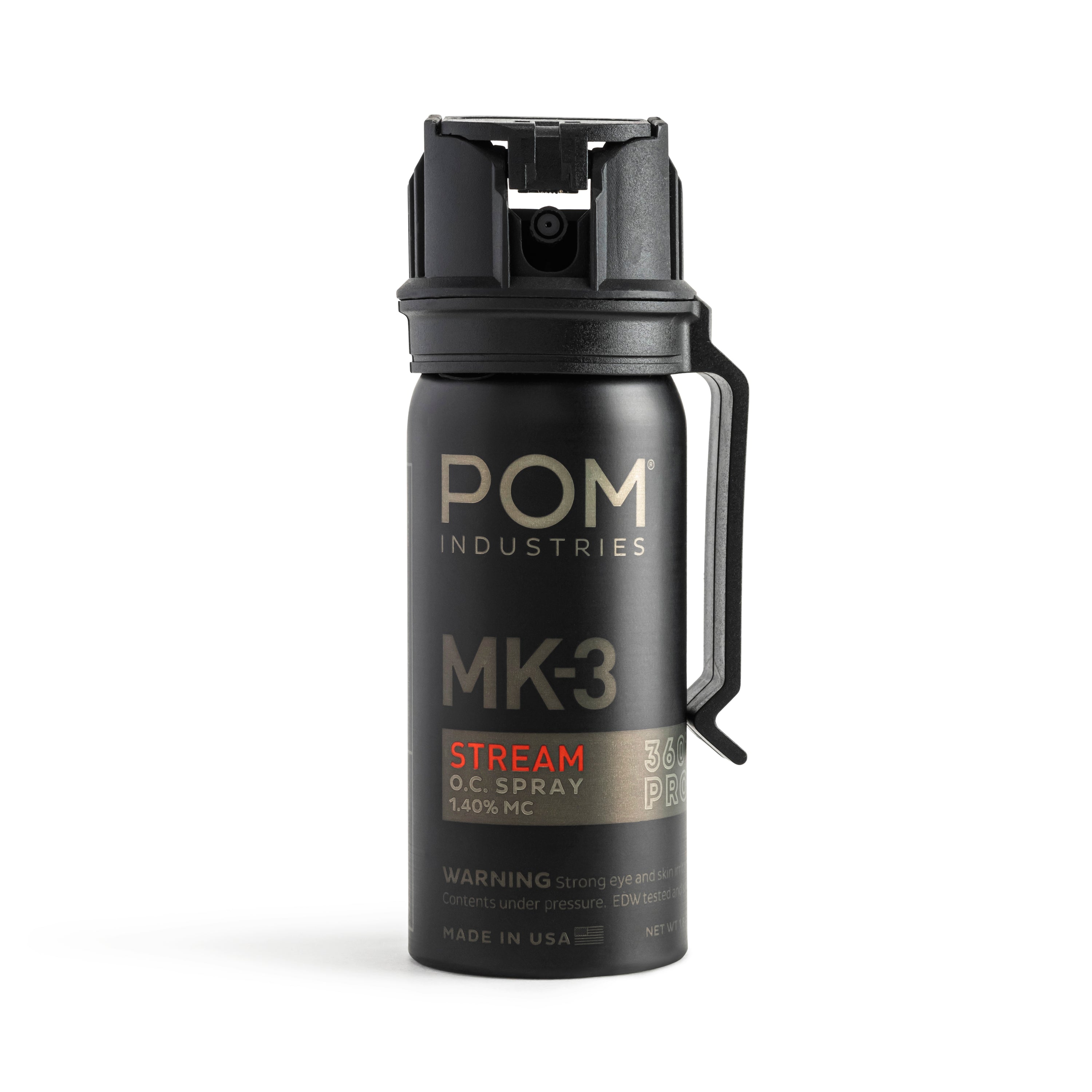
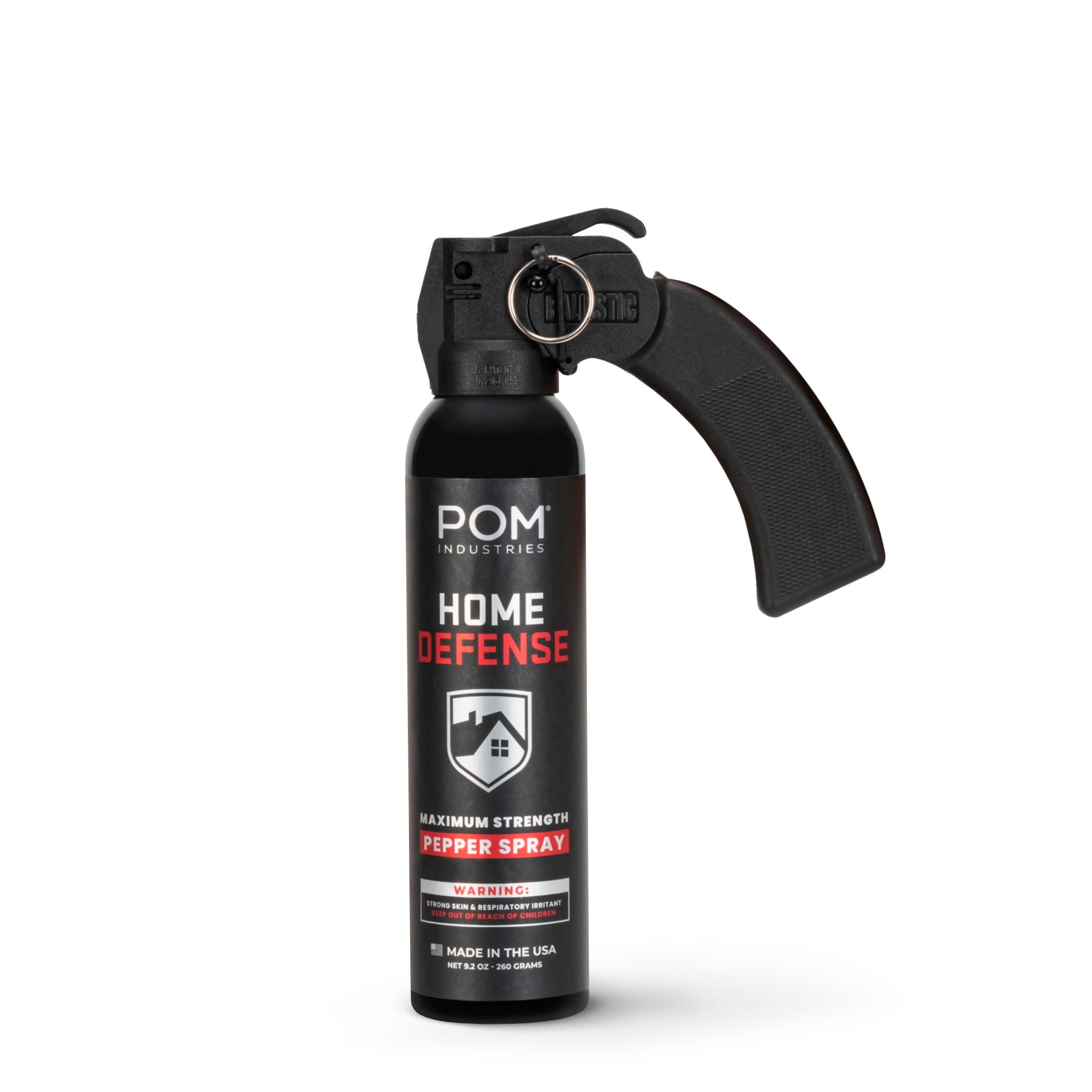
Every POM unit sprays a stream. The ½ oz Clip, Key and Snap and the Runner reach up to 12 ft, the MK-3 up to 18 ft and the Home Defense unit up to 20 ft.
A fog or cone is easier to land because it spreads, but more of it can reach you and people nearby. A stream needs aim, which is what practice with an inert unit is for.